Why Monsoon Demands a Skin Reset
The monsoon season brings a wave of humidity, dampness, and temperature fluctuations. While nature blooms in this period, our skin often suffers. Issues like clogged pores, dullness, excess oil, fungal breakouts, and sensitivity become frequent complaints. Amid this seasonal turmoil, ancient wisdom presents a timely answer—Ayurveda Facial Therapy.
With roots that trace back thousands of years, this facial therapy goes far beyond cosmetic care. It focuses on harmonizing skin health with inner balance. When modern skin issues arise, this holistic approach is your best ally for lasting clarity and glow.
Understanding the Core of Ayurveda Facial Therapy
Before diving into its monsoon relevance, it’s important to understand what makes Ayurveda Facial Therapy so effective. This ancient treatment is centered around the doshas—Vata, Pitta, and Kapha. These elemental forces govern our physical and emotional health, including how our skin behaves.
-
Vata skin tends to become dry and flaky.
-
Pitta skin turns red, sensitive, and acne-prone.
-
Kapha skin gets oily, congested, and dull.
During the monsoon, the Kapha and Pitta doshas often become aggravated, leading to breakouts, uneven tone, and sluggish circulation. This is where the tailored nature of Ayurveda Facial Therapy becomes powerful—it adapts to your doshic imbalance and external climate.
The Monsoon-Specific Skin Problems We Face
Humidity and sweat create a breeding ground for bacteria, which clog pores and cause inflammation. Traditional skincare fails to address the root cause. In contrast, Ayurveda Facial Therapy detoxifies not just the skin’s surface but also helps flush out deeper toxins that contribute to stubborn issues.
Here are common skin problems people face during the monsoon:
-
Greasy and sticky skin
-
Pimples and whiteheads
-
Fungal infections
-
Enlarged pores
-
Redness and itchiness
These concerns persist unless tackled with a preventive, restorative approach—something Ayurveda has mastered.
How Ayurveda Facial Therapy Works
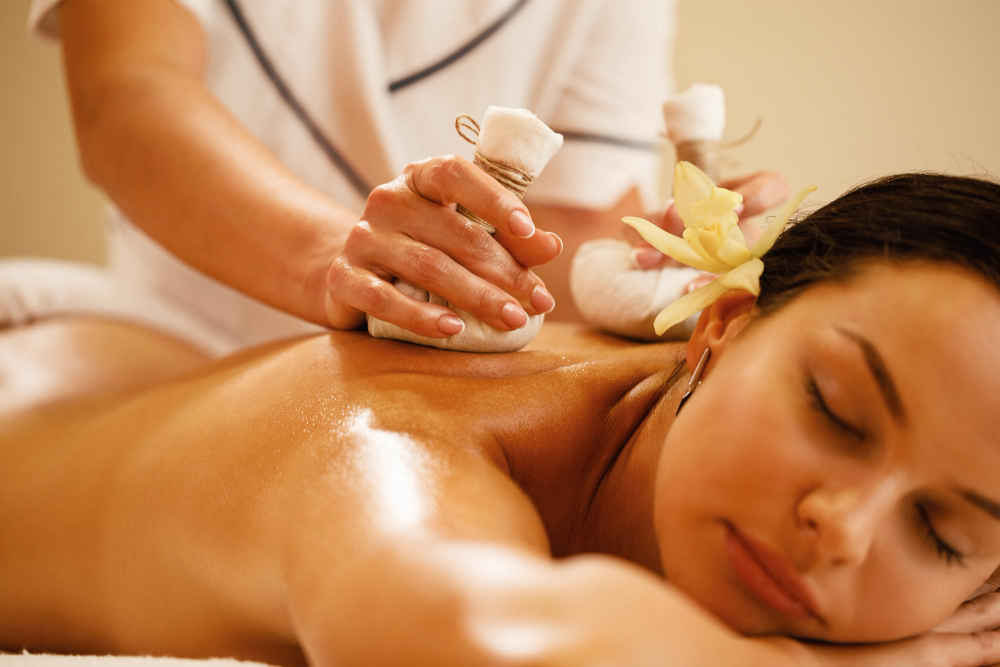
Unlike chemical facials that strip your skin’s natural barrier, Ayurveda Facial Therapy nourishes, purifies, and balances using herbal blends and therapeutic massages. It’s not a one-size-fits-all method. The treatments are customized based on your dosha and seasonal needs.
Key Steps in a Typical Ayurvedic Facial Session:
-
Herbal steam therapy to open pores and promote detox
-
Face packs made from ingredients like neem, tulsi, manjistha, or rose
-
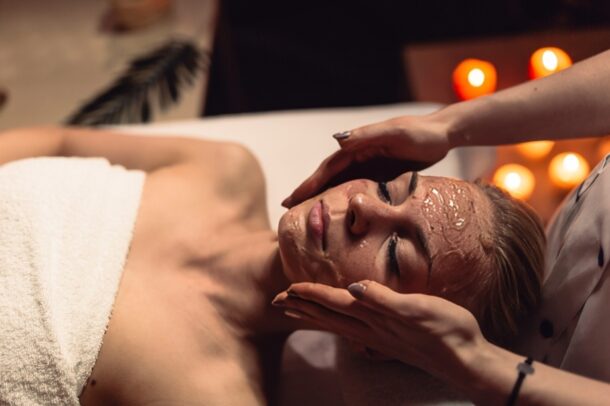
Gentle massage using medicated oils or ghee for lymphatic drainage
-
Use of kashayam (herbal decoctions) for hydration and healing
-
Cooling compresses with rose or vetiver-infused water
Over time, this therapy improves blood circulation, enhances natural glow, and strengthens your skin’s immunity—making it the ideal response to monsoon stress.
Why Monsoon Is the Best Time for Ayurveda Facial Therapy
Monsoon is considered the ideal season in Ayurveda for detox and rejuvenation therapies. The body’s pores open more easily due to increased humidity, making skin more receptive to therapeutic herbs.
Moreover, Ayurveda Facial Therapy helps balance the increased water and fire elements that dominate this season. Regular sessions during the rains can prevent common flare-ups and maintain a fresh, dewy complexion.
Benefits You Can Expect:
-
Reduced acne and inflammation
-
Enhanced lymphatic circulation
-
Brighter, more even-toned skin
-
Relief from fungal irritation
-
Long-term prevention of premature aging
Top Herbal Ingredients Used in Monsoon Ayurveda Facial Therapy
Each ingredient used in Ayurveda Facial Therapy serves a specific purpose. Here are some you’ll often find in monsoon-focused treatments:
-
Neem – Antibacterial, antifungal
-
Manjistha – Blood purifier and glow enhancer
-
Aloe Vera – Hydrates and soothes inflammation
-
Turmeric – Prevents acne and brightens complexion
-
Sandalwood – Cools and calms irritated skin
-
Licorice (Yashtimadhu) – Lightens pigmentation and soothes redness
These time-tested herbs bring about visible transformation while being safe, natural, and free of harsh chemicals.
Key Tips to Maximize the Benefits at Home
To complement your in-clinic sessions of Ayurveda Facial Therapy, adopt a supportive home routine during the monsoon:
-
Use mild herbal cleansers twice a day to prevent oil buildup.
-
Apply a neem-tulsi mask weekly to combat bacterial growth.
-
Drink warm detox teas like coriander or cumin water.
-
Avoid cold, oily, or sugary foods that imbalance Pitta and Kapha.
-
Sleep early and reduce screen time to help your skin regenerate.
Implementing even a few of these tips will extend the glow and benefits of your Ayurvedic treatments.
A Trusted Name: Ashtanga Ayurveda
For those seeking reliable, authentic therapies, Ashtanga Ayurveda, the best ayurvedic clinic in Dubai, offers comprehensive monsoon skin solutions based on ancient wisdom. Their expert practitioners design each facial session with attention to your skin’s changing needs, helping you feel both pampered and healed.
Conclusion: Invest in the Right Skincare Approach
Don’t just treat symptoms—transform your skin from the inside out. Monsoon demands more than surface-level care. A professional Ayurvedic skincare treatment ensures lasting balance and clarity. By choosing nature-based solutions like Facial Therapy, you give your skin the gift of deep, enduring wellness.
So, this monsoon, let your skincare speak the language of balance, herbs, and tradition. Embrace the science of Ayurveda Facial Therapy, and let your skin reflect the calm of the rain-drenched earth.
FAQs
Q1: Is Ayurveda Facial Therapy safe for sensitive skin types?
A: Yes, it’s one of the safest options for sensitive skin. The treatments use natural herbs suited to your dosha, reducing the risk of irritation. However, it’s always wise to do a patch test before new applications.
Q2: How often should I get Facial Therapy during the monsoon?
A: Ideally, once every 15 to 20 days. This frequency keeps your skin detoxified and balanced throughout the rainy season.
Q3: Can I combine modern skincare with Facial Therapy?
A: Yes, but avoid harsh chemical-based products before and after your Ayurvedic session. Keeping a natural skincare routine helps amplify the therapy’s benefits.