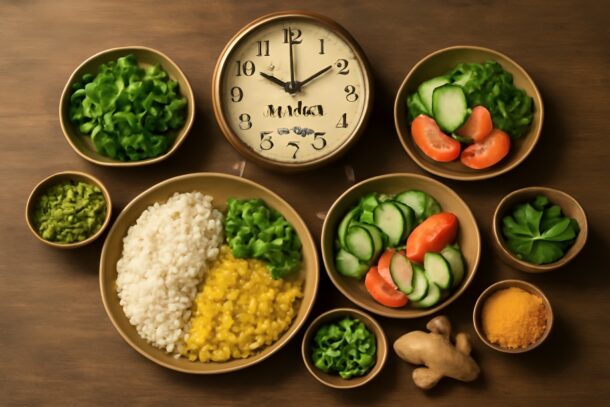
Healthy digestion is the cornerstone of wellness, and understanding Ayurveda on Meal Timings can greatly enhance your digestive health. The ancient science of Ayurveda emphasizes that not only what we eat but also when and how we eat plays a crucial role in maintaining balance within the body. By aligning your eating habits with natural rhythms, you can improve nutrient absorption, boost energy, and prevent digestive disorders.
The Importance of Meal Timings in Ayurveda
Ayurveda on Meal Timings is rooted in the principle that the digestive system functions optimally at specific times of the day. Eating at irregular hours can disrupt digestive fire (Agni), leading to bloating, indigestion, or nutrient deficiencies.
Some essential points to remember include:
-
The digestive fire is strongest during the day, particularly midday.
-
Eating heavy meals at night can burden the digestive system.
-
Aligning meals with natural circadian rhythms supports metabolism.
Consequently, understanding these principles ensures that your body can extract maximum nourishment from your food.
Morning Meal Guidelines
Starting your day with mindful eating is vital. According to Ayurveda on Meal Timings, breakfast should be light yet nourishing.
Key tips for morning meals:
-
Consume warm, easily digestible foods like porridge or lightly spiced grains.
-
Include fresh fruits for hydration and fiber.
-
Avoid processed or overly cold foods early in the morning.
Furthermore, eating breakfast at a consistent time helps regulate metabolism and prepares the body for the day ahead. Transitioning gradually into your daily routine supports overall digestive wellness.
Midday Meals: The Peak Digestive Time
Midday is considered the optimal time for your largest meal. The digestive fire is at its peak, making it easier to break down complex foods.
Recommendations include:
-
A balanced plate with grains, vegetables, and protein.
-
Incorporating spices like cumin, coriander, or fennel to stimulate digestion.
-
Eating slowly and mindfully to enhance nutrient absorption.
By focusing on Ayurveda on Meal Timings, lunch becomes the primary meal for energy, ensuring you remain active and nourished throughout the afternoon.
Evening Meals: Light and Easy
Dinner should be light and consumed at least 2–3 hours before bedtime. Heavy evening meals can disrupt sleep and slow digestion.
Practical tips for evening meals:
-
Prefer soups, steamed vegetables, or lightly cooked grains.
-
Avoid excessive oil, sugar, or fried foods.
-
Maintain a calm environment to aid digestion.
Additionally, transitioning to lighter foods in the evening reduces the risk of acid reflux and supports overall gut health.
Snacking According to Ayurveda
Snacking is acceptable if done mindfully. According to Ayurveda on Meal Timings, snacks should complement, not overload, your digestive system.
Suggestions for healthy snacking:
-
Fresh fruits or nuts mid-morning or mid-afternoon
-
Herbal teas or warm drinks between meals
-
Avoid processed snacks that disrupt digestive fire
Thus, mindful snacking ensures energy without compromising digestive efficiency, keeping metabolism balanced.
Hydration and Meal Timing
Water plays a crucial role in digestion. However, Ayurveda on Meal Timings emphasizes the importance of timing your water intake.
Guidelines include:
-
Drink lukewarm water before meals to prepare the digestive system.
-
Avoid excessive water during meals to prevent dilution of digestive enzymes.
-
Hydrate consistently throughout the day to support metabolism.
Consequently, managing water intake enhances digestion and nutrient absorption, promoting overall vitality.
Daily Routine Integration
Integrating meal timings into your daily routine is essential for long-term benefits. Following Ayurveda on Meal Timings involves creating structured meal patterns, which stabilize digestion and energy levels.
Practical daily routine suggestions:
-
Breakfast between 7–9 AM
-
Lunch between 12–2 PM
-
Light dinner before 7 PM
-
Mindful snacks between meals if needed
Moreover, consistent routines reduce digestive stress and promote a harmonious balance within the body.
Conclusion
Incorporating Ayurveda on into your meal timings and lifestyle can significantly enhance digestion and overall health. The ancient wisdom emphasizes mindful eating, balanced meals, and proper timing to support the body’s natural rhythms. For instance, Ashtanga Ayurveda provides personalized guidance and treatment plans for optimal digestive wellness. By embracing these practices as part of an Ayurveda daily routine, individuals can experience lasting benefits while consulting an Ayurvedic center in Dubai for additional support.
FAQs
Q1: How important is timing in Ayurveda for digestion?
A: Meal timing is critical. Eating according to digestive peaks ensures better nutrient absorption, balanced metabolism, and reduced digestive discomfort.
Q2: Can late-night eating affect digestion?
A: Yes, heavy meals at night can disrupt digestion, cause acid reflux, and affect sleep quality. Ayurveda recommends lighter evening meals.
Q3: Are snacks allowed in Ayurveda?
A: Yes, but only light, nutritious snacks such as fruits or nuts, consumed mindfully between main meals, to avoid overloading the digestive system.