Abhyanga is a traditional Ayurvedic oil massage that involves applying warm oil to the body using specific massage movements. It is traditionally included in Ayurvedic wellness practices and may be recommended as part of an individual’s broader wellness routine, depending on their health condition and suitability.
If you are considering an Abhyanga massage for the first time, you may have questions about how the treatment is performed, what type of oil is used, how long a session takes and what precautions you should follow.
In this guide, we explain the Abhyanga massage procedure, its traditional purpose, potential benefits, preparation and important safety considerations to help you make an informed decision.
What Is Abhyanga Massage in Ayurveda?
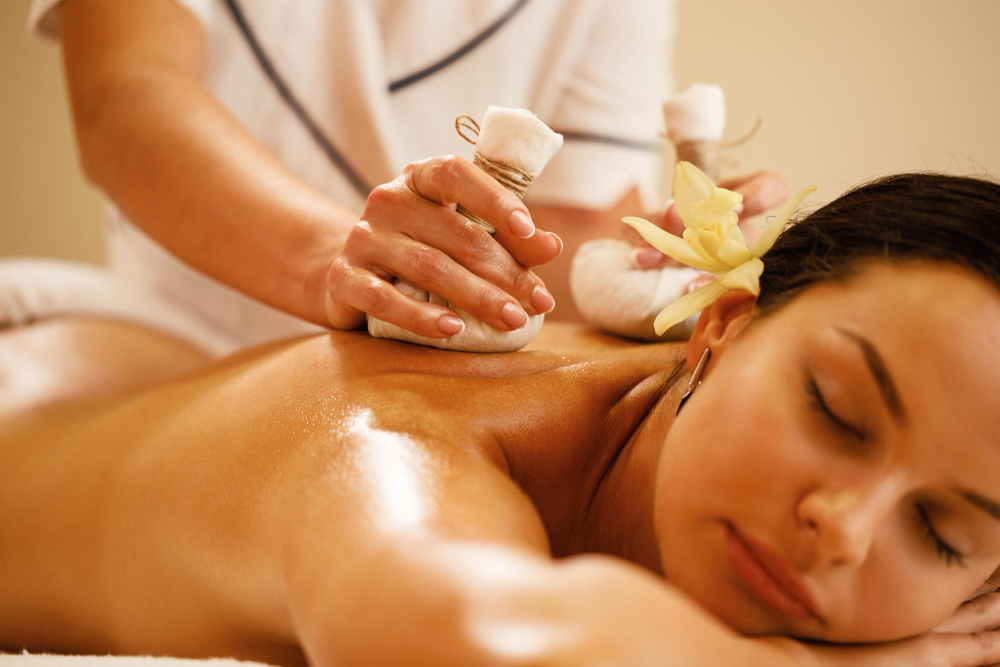
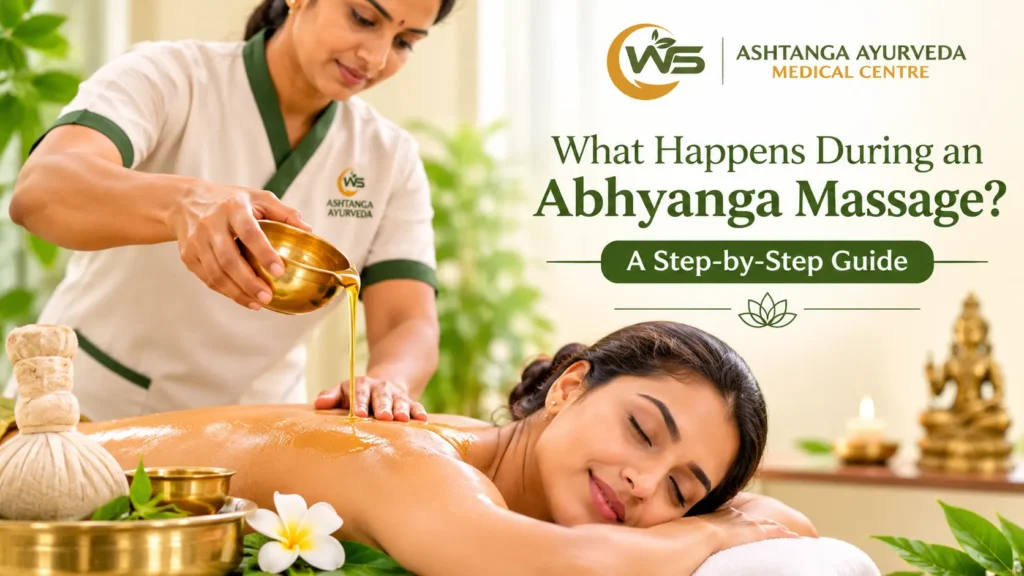
Abhyanga is a traditional Ayurvedic practice involving the application of oil to the body with systematic massage movements. The oil may be selected according to traditional Ayurvedic principles, the individual’s needs and the practitioner’s assessment.
In Ayurveda, Abhyanga is traditionally associated with daily self-care and therapeutic wellness practices. The type of oil, application method and treatment approach may vary depending on the individual and the purpose of the session.
Unlike a general relaxation massage, an Ayurvedic Abhyanga session may follow a practitioner-guided approach based on the individual’s health history and suitability.
At Ashtanga Ayurveda Medical Centre in Al Nahda 1, Dubai, individuals interested in this traditional practice can enquire about the treatment process and whether it is appropriate for their needs.
How Is an Abhyanga Massage Performed? Step-by-Step Procedure
The exact procedure may vary depending on the treatment setting, practitioner and individual’s requirements. A typical session may involve the following stages.
1. Initial Consultation and Health Assessment
Before beginning the massage, the practitioner should understand your health background and treatment expectations.
You may be asked about:
- Current health concerns and symptoms
- Existing medical conditions
- Allergies or skin sensitivities
- Current medications
- Previous massage experiences
- Pregnancy or recent medical procedures, where relevant
This assessment helps the practitioner determine whether Abhyanga is suitable and whether any modifications or precautions are necessary.
It is important to disclose relevant medical information honestly before starting the session.
2. Selection of Suitable Ayurvedic Oil
Oil selection is an important part of traditional Abhyanga practice.
Depending on the treatment approach, the practitioner may select an Ayurvedic oil based on traditional considerations and the individual’s needs.
Before application, inform the practitioner if you have experienced skin reactions, allergies or sensitivity to any oils or herbal ingredients.
The oil should be used at a comfortable temperature. It should never be excessively hot or cause discomfort.
3. Preparation for the Massage
The treatment area is prepared to provide a comfortable and hygienic environment.
The practitioner explains the procedure, the areas to be treated and any relevant instructions. You should be given appropriate privacy and covering throughout the session.
Only the areas being treated should be exposed, with professional draping and patient comfort maintained.
If you feel uncomfortable at any point, you can ask the practitioner to pause or adjust the procedure.
4. Application of Warm Ayurvedic Oil
The selected oil is applied to the body using appropriate massage techniques.
Traditionally, Abhyanga involves systematic strokes and movements across different body areas. The practitioner may adjust the pressure, direction and duration according to the treatment approach and individual comfort.
The massage should not cause sharp pain, burning or significant discomfort.
5. Massage of Different Body Areas
Depending on the treatment plan, the practitioner may work on areas such as the arms, legs, back, shoulders and other suitable parts of the body.
The technique and duration may differ according to the individual’s requirements.
A professional session should be adapted to the person’s comfort level rather than following the same pressure or routine for everyone.
6. Completion of the Session
After the massage, the practitioner may provide instructions regarding oil removal, bathing and general aftercare.
Some oil may remain on the skin depending on the treatment method and the practitioner’s instructions.
Allow yourself time to get comfortable before leaving the treatment area. If you experience dizziness, unusual discomfort, skin irritation or any unexpected symptoms, inform the practitioner.
What Are the Potential Benefits of Abhyanga Massage?
Abhyanga has a long history in traditional Ayurvedic wellness practices. People may consider it for relaxation, personal wellness and the experience of traditional oil massage.
Potential experiences associated with massage may include:
Relaxation and Comfort
A gentle massage may help some people feel relaxed and comfortable. Individual experiences vary depending on personal preferences, massage technique and health status.
A Traditional Self-Care Practice
Abhyanga is traditionally used as part of Ayurvedic self-care routines. Some individuals choose it as a way to incorporate a traditional wellness practice into their lifestyle.
Temporary Relief from Muscle Tension
Massage may provide temporary relief from feelings of muscular tension or stiffness in some people. However, persistent or unexplained pain requires appropriate medical assessment rather than relying on massage alone.
Skin Conditioning
The application of suitable oil can help moisturise the skin. The effect depends on the oil used and the individual’s skin type. People with sensitive skin or existing skin conditions should seek advice before treatment.
Important: These are potential wellness experiences, not guaranteed medical outcomes. Evidence specifically supporting Abhyanga for treating medical conditions remains limited. Abhyanga should not be presented as a cure for arthritis, neurological conditions, chronic pain, sleep disorders or other diseases. It is not a substitute for medical diagnosis or prescribed treatment.
How Should You Prepare for an Abhyanga Massage?
A little preparation can help make your session more comfortable.
Before your appointment:
- Share your relevant medical history with the practitioner.
- Mention any allergies, skin conditions or sensitivity to oils.
- Inform the practitioner if you are pregnant or have recently undergone surgery.
- Follow the clinic’s instructions regarding meals and the timing of your session.
- Wear comfortable clothing that is suitable for an oil-based treatment.
- Ask about the expected duration and the areas that will be treated.
Do not withhold information about existing health concerns simply because you are booking a traditional wellness treatment.
What Should You Do After an Abhyanga Massage?
Aftercare instructions may vary according to the procedure and your individual needs.
Your practitioner may advise you to:
- Follow the recommended instructions for removing the oil.
- Use comfortable clothing after the session.
- Avoid activities that cause discomfort.
- Maintain normal hydration according to your needs.
- Monitor your skin for irritation or an unexpected reaction.
- Contact the clinic if you experience an unusual or persistent reaction.
There is no need to follow extreme dietary restrictions, fasting or detoxification routines unless a qualified healthcare professional has specifically advised them for a separate, appropriate reason.
Who Should Avoid or Postpone Abhyanga Massage?
Abhyanga may not be appropriate for everyone. A practitioner should assess suitability before proceeding.
Massage may need to be avoided or postponed in situations such as:
- Fever or an acute illness
- Active skin infections, open wounds or significant skin irritation
- Recent injuries or fractures
- Recent surgery without appropriate medical clearance
- Severe or unexplained pain
- Certain circulatory or bleeding conditions
- Known allergy or sensitivity to the proposed oil ingredients
People who are pregnant, have significant underlying health conditions or take medicines that affect bleeding or circulation should seek appropriate medical advice before receiving massage.
If you experience sudden severe pain, chest pain, breathing difficulty, new weakness or other urgent symptoms, seek medical attention instead of booking a massage.
The final decision should be based on an individual assessment and, where necessary, advice from the relevant treating healthcare professional.
How Long Does an Abhyanga Massage Session Take?
The duration of an Abhyanga session can vary according to the treatment approach, areas covered and individual requirements.
The practitioner should explain the expected duration before the session begins. It is not appropriate to assume that every person needs the same session length or a fixed number of treatments.
If you are considering repeated sessions, discuss your expectations and suitability with the practitioner. The frequency should not be presented as a universal medical recommendation.
Abhyanga Massage at Ashtanga Ayurveda Medical Centre, Dubai
Individuals interested in traditional Ayurvedic oil massage can enquire about Abhyanga at Ashtanga Ayurveda Medical Centre, located in Al Nahda 1, Dubai.
Before starting treatment, it is important to understand the procedure, oil selection, expected session duration and any relevant precautions.
The clinic can provide information about its treatment approach and help you understand the next steps based on your requirements.
You can learn more about Abhyanga Treatment in Dubai or explore the clinic’s Ayurvedic treatments in Dubai.
For practitioner information, visit the Ashtanga Ayurveda doctor and clinic profile.
To enquire about treatment suitability or appointment availability, contact Ashtanga Ayurveda Medical Centre.
Location: Al Nahda 1, Dubai, UAE
Phone: +971 50 617 6013
Website: https://ashtangaayurveda.ae/
Medical Review and Professional Guidance
This article has been prepared for general educational purposes and reviewed in accordance with the clinic’s content review process.
For information about the medical professional associated with Ayurvedic care at Ashtanga Ayurveda Medical Centre, visit our Ayurvedic Doctor in Dubai profile.
The article’s health-related information should be reviewed by an appropriately qualified practitioner before publication.
FAQs About Abhyanga Massage
1. What is an Abhyanga massage?
Abhyanga is a traditional Ayurvedic oil massage that involves applying oil to the body using systematic massage movements. The oil and technique may vary according to the individual’s needs and the practitioner’s approach.
2. What happens during an Abhyanga massage?
A typical session may include an initial consultation, oil selection, preparation, application of warm oil, massage of suitable body areas and post-treatment instructions. The exact procedure depends on the individual treatment plan.
3. Is Abhyanga massage suitable for everyone?
No. People with certain medical conditions, skin problems, recent injuries, fever or other health concerns may need to avoid or postpone massage. An individual assessment is important before treatment.
4. Which oil is used for Abhyanga massage?
Different Ayurvedic oils may be used depending on the traditional treatment approach and individual requirements. The practitioner should explain the proposed oil and check for known allergies or sensitivities before application.
5. Can Abhyanga massage help with muscle tension?
Massage may provide temporary relief from muscular tension for some individuals. However, persistent, severe or unexplained pain should be assessed by an appropriate healthcare professional.
6. How often should I have an Abhyanga massage?
There is no single frequency that is suitable for everyone. The recommended approach depends on individual needs, health status and practitioner assessment.
7. Can I take a bath after Abhyanga massage?
Bathing and oil-removal instructions may vary according to the treatment method. Follow the instructions provided by your practitioner rather than assuming one routine is suitable for everyone.
8. Where can I enquire about Abhyanga treatment in Dubai?
You can contact Ashtanga Ayurveda Medical Centre in Al Nahda 1, Dubai, to enquire about its Abhyanga treatment process, suitability and appointment availability.